
The growing demand for high-quality, fresh Mexican cuisine has made the category one of the most attractive segments in fast-casual dining. For entrepreneurs exploring mexican food business opportunities, entering the market with a proven system and strong brand foundation significantly improves the odds of long-term success. While starting an independent restaurant can be rewarding, the operational learning curve, cost of mistakes, and limited brand awareness often create barriers for first-time owners. A franchise model—backed by established processes, training, and support—reduces many of those risks.
Baja Fresh stands out in this sector for its long-standing commitment to fresh preparation, customizable flavors, and operational consistency across its locations. Since 1990, the brand has emphasized real ingredients prepared daily—an approach that continues to attract modern diners looking for flavorful food without excessive processing. This guide explores the landscape of Mexican food franchise ownership, the strategic advantages of the fast-casual model, and how Baja Fresh equips franchisees with the tools to succeed in today’s competitive restaurant environment.
Why Mexican Cuisine Creates Sustainable Business Opportunities
Mexican cuisine is among the most widely represented restaurant categories in the United States. Research from the Pew Research Center indicates that approximately one in 10 U.S. restaurants serves Mexican food. This broad reach reflects widespread appeal and category resilience across economic cycles.
Several factors sustain the demand for Mexican cuisine:
- Versatility for dietary needs: Mexican food easily adapts to vegetarian, gluten-free, and high-protein preferences.
- Value-driven appeal: Guests perceive Mexican cuisine as flavorful, filling, and affordably priced.
- Broad demographic reach: The cuisine appeals to diverse age groups and cultural backgrounds.
- Customization: Guests can personalize meals to their taste and nutritional goals.
The health-conscious movement has also contributed to the category’s growth. Traditional Mexican cooking depends on fresh vegetables, cilantro, tomatoes, grilled proteins, herbs, and spices rather than heavily processed ingredients. Brands that highlight fresh preparation align strongly with consumer expectations around transparency and ingredient quality.
The Fast-Casual Model Balances Efficiency, Quality, and Scalability
Fast-casual dining continues to outperform other restaurant segments. It bridges the gap between the convenience of quick-service and the elevated food experience of full-service dining. This creates compelling opportunities for franchisees because operational complexities are reduced while average check values remain strong.
Key advantages of the fast-casual model include:
- Lower labor requirements than full-service dining
- Reduced dependence on waitstaff
- Smaller footprints with efficient seating and to-go workflows
- Higher perceived food quality than traditional fast food
- Strong compatibility with digital ordering, takeout, and delivery platforms
Since 2014, digital ordering has grown more than 300% faster than dine-in traffic, reshaping the way consumers engage with restaurants. Mexican food, particularly burritos, bowls, tacos, and salads, travels exceptionally well for off-premise occasions, adding incremental revenue streams beyond dine-in service.
With these trends shaping the restaurant landscape, the fast-casual Mexican category remains an accessible and durable business opportunity for new franchise owners.
Building a Strong Mexican Restaurant Business Plan
A comprehensive mexican restaurant business plan forms the foundation for successful franchise ownership. Entrepreneurs should outline financial assumptions, operational expectations, local market characteristics, hiring needs, and milestones for growth. Whether required by lenders or developed for internal clarity, a strong business plan sets realistic expectations before capital is committed.
Understanding Capital Requirements and Ongoing Costs
Investment levels vary across restaurant concepts, and franchise opportunities provide clear upfront guidance through their Franchise Disclosure Document (FDD). For Baja Fresh, the estimated initial investment ranges from $224,950 to $1,034,290 depending on format, site conditions, and market factors. These costs typically include the franchise fee, leasehold improvements, equipment, signage, technology systems, initial inventory, and working capital. Prospective franchisees should review the FDD for full details and consult with financial advisors before making any investment decisions.
Choosing the Right Location for Your Franchise
Location plays a decisive role in restaurant success. Traffic patterns, local demographics, visibility, ease of access, and surrounding businesses all affect guest frequency.
Strong candidate locations typically include:
- High daytime populations for lunch business
- Strong residential density for dinner and weekend traffic
- Proximity to retail centers, offices, or schools
- Ample parking or easy walkability
- Clear street visibility and signage opportunities
- Limited competition within the immediate trade radius—or competition that demonstrates category demand
Baja Fresh supports franchisees with real estate evaluation, site selection tools, and experienced development professionals who offer insight into which locations historically perform well. This assistance helps franchise owners make informed real estate decisions backed by data and experience.
The Baja Fresh Support System for Franchise Success
What distinguishes a strong franchise opportunity from an average one is the quality of training, ongoing support, and commitment to franchisee success. Baja Fresh has built its system around comprehensive preparation, hands-on learning, and ongoing operational guidance.
Comprehensive Training Prepares Owners for Real-World Operations
Baja Fresh provides 6–8 weeks of training for traditional restaurants and 4–5 weeks for Express locations. This includes classroom sessions at the Kahala Training & Education Center in Scottsdale, Arizona, along with hands-on instruction in operating Baja Fresh restaurants.
Training covers:
- Daily restaurant operations and checklists
- Fresh food preparation consistent with Baja Fresh standards
- Guest service expectations and speed of service best practices
- Inventory management and ordering systems
- Food safety and brand compliance
- Hiring, training, and team leadership
- Financial management fundamentals including P&L insights and cost control
Before launch, a dedicated training team arrives onsite to support the franchisee and staff through opening week. This ensures the restaurant starts strong, with systems in place and confidence across the entire team.
Ongoing Guidance Helps Franchisees Thrive Beyond Year One
Support continues long after the doors open. During the first year, franchisees participate in regular check-ins with the Baja Fresh operations team to review performance, identify opportunities, and receive strategic guidance. Ongoing support includes:
- Access to field consultants
- Operational reviews and coaching
- Updated systems and standard operating procedures
- Menu updates and training for new items
- Technology enhancements
- Continued marketing resources
Franchisees never navigate challenges alone—the Baja Fresh team provides accessible, consistent communication to help owners optimize performance.
Marketing Assistance Builds Customer Awareness from Day One
Marketing plays a pivotal role in building traffic for new and established locations. Baja Fresh supports franchisees through:
- National brand marketing campaigns
- Digital and social media resources
- Local store marketing templates and guides
- Promotional toolkits and seasonal campaigns
- Grand opening marketing strategies
- Access to preferred marketing vendors
This support helps franchise owners build brand recognition in their local community while benefiting from national advertising that elevates overall awareness.
Strategic Partnerships Ensure Quality and Consistency
Baja Fresh’s long-standing vendor relationships help ensure consistent ingredient supply, quality assurance, and competitive pricing. Because the brand emphasizes fresh ingredients prepared daily, these partnerships support both product integrity and efficient store operations.
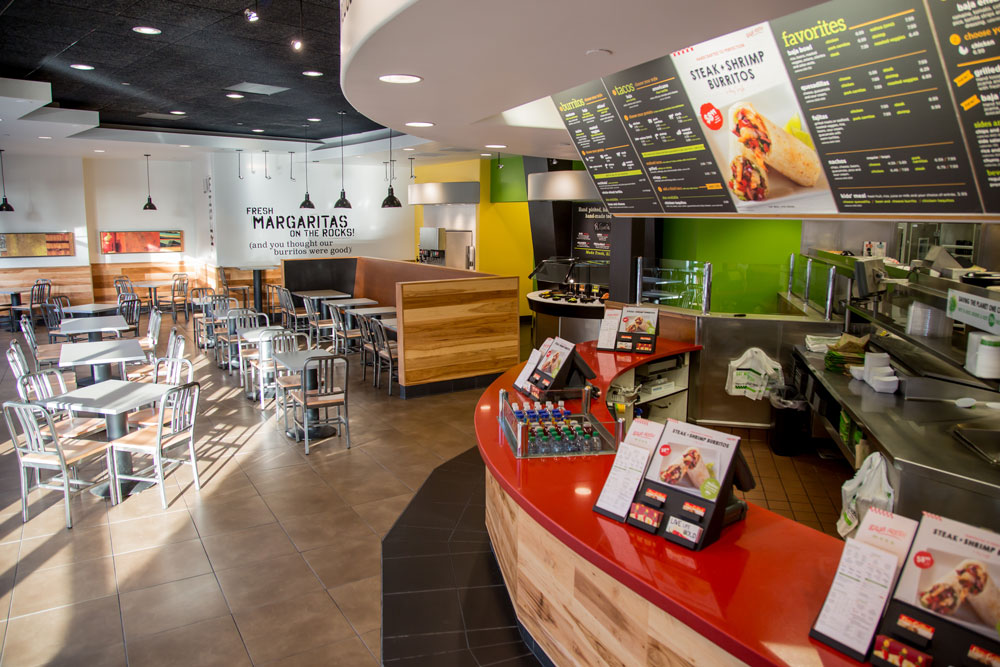
Understanding the Franchise Business Model
Franchising offers a structured system designed to help entrepreneurs enter the restaurant industry with a proven roadmap. For many owners, it strikes the right balance between independence and support.
Why Entrepreneurs Choose Franchising
The franchise model offers:
- Brand recognition that accelerates customer trust
- Proven operating systems refined over years of experience
- Training and support that reduce the learning curve
- Access to purchasing power and vendor relationships
- A community of fellow operators who share insights and best practices
This combination allows franchisees to focus on execution rather than reinventing every operational process.
What Franchise Ownership Requires
Franchisees must:
- Follow brand standards and operating procedures
- Maintain financial stability
- Lead their teams effectively
- Participate actively in operations, especially early on
- Contribute to national and local marketing funds
- Uphold the brand’s reputation within their community
Owners who embrace the system and commit to excellence often see the greatest long-term success.
Taking the First Step Toward Franchise Ownership
The Mexican food segment continues to expand, driven by strong consumer preferences for high-quality ingredients, bold flavors, and customizable meals. For entrepreneurs seeking achievable mexican food business opportunities, Baja Fresh offers a brand with decades of experience, fresh-preparation credibility, and a comprehensive support system designed to help new owners succeed.
To learn more about becoming a Baja Fresh franchisee, visit: https://bajafreshfranchise.com
Frequently Asked Questions
Do I need restaurant experience to open a Mexican food franchise?
Restaurant experience can be helpful but is not required. Baja Fresh welcomes first-time owners who demonstrate strong business acumen, leadership ability, and commitment to following the brand’s operational standards. Many franchisees succeed by hiring strong general managers and actively participating in operations during the early stages.
What makes the fast-casual format different from traditional restaurants?
Fast-casual concepts combine the speed of limited-service restaurants with higher-quality ingredients and an elevated guest experience. Guests order at a counter, food is prepared fresh, and labor needs are lower than full-service restaurants without compromising on food quality.
How long does it take to open a franchise after signing agreements?
Most Baja Fresh locations open within 6–12 months. The timeline depends on site availability, permitting, buildout complexity, and how quickly real estate can be secured.
What ongoing support do franchisees receive after opening?
Franchisees receive regular performance reviews, operational support, access to field consultants, updated training materials, marketing resources, new product rollouts, and technology enhancements.
Can I operate multiple franchise locations?
Yes. Baja Fresh works with both single-unit and multi-unit franchisees. Many owners choose to expand after establishing their first successful location.
How do franchise fees and royalties work?
Franchisees pay an initial franchise fee for access to the brand and system. Ongoing royalties and marketing contributions are based on gross sales and support operations, brand development, and national marketing.
What happens if my franchise struggles financially?
Baja Fresh provides operational guidance and support to help improve performance. Franchisees can work with field consultants to analyze challenges and develop improvement strategies.
How important is local market research before selecting a territory?
Market research is essential. Understanding demographics, competition, traffic patterns, and nearby businesses helps determine whether a location can sustain long-term performance.