
Navigating the Rise of Mexican Fast Casual Models
The quick-service restaurant (QSR) franchise model continues to redefine the U.S. food landscape, particularly in the realm of Mexican cuisine. As consumers demand fresher, faster, and more flexible dining experiences, the QSR restaurant franchise has emerged as a leading format for scalable, profitable investment. Within this space, Mexican fast food franchise opportunities are gaining ground due to shifting tastes, health-conscious habits, and rising interest in multicultural cuisine.
Understanding QSR Restaurant Franchise in the Current U.S. Market
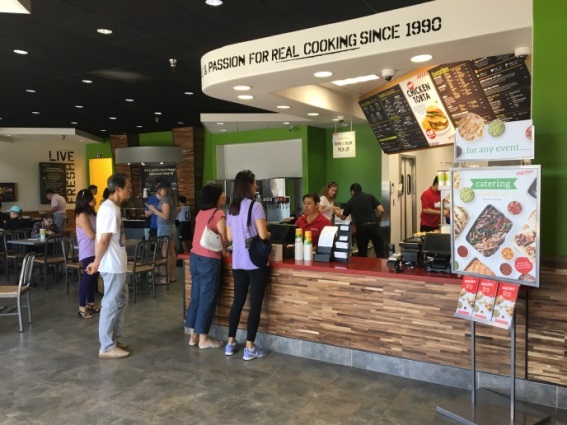
QSR franchises have long dominated the American food-service industry, with brands like McDonald’s and Subway setting early templates. However, the category has evolved. Today, the QSR model is defined not just by speed and convenience but also by freshness, digital ordering capabilities, and menu simplicity. In 2024, the U.S. QSR sector exceeded $350 billion in revenue, with Mexican food franchises playing a significant role in that growth.
Mexican QSR brands are uniquely positioned due to their ability to combine fast service with customizable, fresh offerings. This hybrid approach resonates with consumers who seek value without compromising on flavor or nutrition. Rising demand for tacos, burritos, and bowls in a fast-casual setting has made Mexican fast food franchise opportunities particularly compelling.
Moreover, the growing Hispanic population in the U.S. has also contributed to the rise of authentic Mexican food in mainstream dining. Younger generations are more adventurous in their food choices, seeking experiences that blend authenticity with convenience. QSR models focused on Mexican cuisine can deliver on both fronts.
Key Challenges Facing Mexican Fast Food Franchise Opportunities Today
While the Mexican QSR segment is thriving, it also faces distinct challenges that aspiring franchisees must navigate.
Why Location Still Matters in Franchising
Despite the digital transformation of restaurant marketing, location remains a critical determinant of success. High-traffic, visibility-rich sites near office clusters, college campuses, and residential zones can significantly influence footfall and brand performance.
Competition is fierce in urban centers, where rents are high and customer loyalty is hard-won. New franchisees must conduct robust demographic and market research before committing to a site.
Comparing QSR Restaurant Franchise vs Legacy Growth Models
Legacy casual dining establishments often require full kitchens, extended menus, and table service. In contrast, QSR Mexican food franchises typically operate with limited equipment, no table service, and streamlined menus. This allows for lower startup costs, reduced labor needs, and faster customer turnover.
Key comparative advantages of QSR models include:
- Lower Operational Costs: Minimal kitchen infrastructure and smaller footprints reduce capital outlay.
- Simplified Training: Standardized processes and limited menu items allow for easier onboarding.
- Speed & Efficiency: Designed for quick meal production and customer turnover.
- Flexible Labor Needs: Smaller staff sizes help mitigate labor shortages and reduce payroll.
One example of a brand capitalizing on these advantages is Baja Fresh, a long-standing QSR Mexican franchise known for prioritizing ingredient quality over mass production. With no freezers or microwaves in their kitchens, Baja Fresh aligns well with modern consumer expectations for healthy, fast-casual food. Since 1990, the brand has built a reputation around freshness, serving meals made from scratch with farm-fresh ingredients.
Strategic Opportunities for QSR Restaurant Franchise in 2025
The next 12–18 months will offer rich opportunities for investors considering QSR entry points.
- Expanding Suburban Markets: As remote work shifts consumer dining patterns, suburban areas are ripe for QSR expansion.
- Health-First Differentiation: Brands emphasizing fresh, preservative-free ingredients are gaining a competitive edge.
- Digital Loyalty & Ordering Platforms: Successful QSR operators are leveraging apps, loyalty programs, and third-party delivery to increase customer retention.
- Franchisee Flexibility: Modular kitchen designs and scalable formats make it easier to adapt to various location sizes and customer volumes.
For investors seeking low-barrier, high-potential franchise opportunities, Mexican QSR brands like Baja Fresh offer a balance of brand recognition and operational support. Their emphasis on health-forward offerings resonates with evolving U.S. dining preferences.
Best Practices and Strategies for QSR Restaurant Franchise Success
The Role of Training and Support in Franchise Success
Ongoing training and operational support are essential for new franchisees. Leading brands offer extensive onboarding programs, covering everything from food prep to digital marketing. Baja Fresh, for example, provides multi-stage training across existing stores and franchisee locations, making transitions into ownership more seamless.
Support doesn’t end with opening day. Continued education, periodic evaluations, and regional franchisee meetings help maintain brand consistency and drive long-term success. A well-supported franchisee is more likely to succeed in a competitive market.
How Technology Is Reshaping Mexican Fast Food Franchise Opportunities
From self-service kiosks to online ordering systems, technology has become a core pillar of modern QSR success. Mexican food franchise operators embracing tech-driven solutions are better positioned to streamline operations, optimize labor, and enhance customer satisfaction.
Mobile apps that enable real-time order tracking, customized menu selections, and digital loyalty points offer a powerful edge. Integrated POS systems also improve inventory management and cost control. Brands that fail to embrace these tools risk falling behind.
Why Customer Experience Still Matters
Even in a fast-paced environment, the customer experience is paramount. Cleanliness, friendly service, and order accuracy are non-negotiables. Franchises that manage to balance speed with warmth and hospitality tend to perform better in customer reviews and word-of-mouth marketing.
Future Trends in Mexican Fast Food Franchise Opportunities
Looking ahead, Mexican fast food franchise opportunities will be shaped by consumer behavior shifts, regulatory changes, and digital transformation. Sustainability practices, including biodegradable packaging and sourcing transparency, are becoming franchise differentiators. Tech-enabled kitchen automation and loyalty platforms will also help franchises scale efficiently without compromising on quality.
Brands like Baja Fresh, which have maintained a focus on freshness while incorporating scalable systems, are well-positioned to lead this next phase. Additionally, there is growing demand for vegetarian and plant-based menu options, giving forward-thinking QSRs an edge with eco-conscious consumers.
A Final Note
The QSR restaurant franchise model continues to drive growth in the U.S. food industry, particularly within the booming segment of Mexican cuisine. As investors explore franchise options, those prioritizing fresh ingredients, streamlined operations, and strong brand support stand to benefit the most. With consumer demand high and market dynamics shifting, now is a prime moment to consider Mexican fast food franchise opportunities.
Innovative brands like Baja Fresh are helping shape the future of QSR dining, offering compelling pathways for new franchisees in an increasingly competitive space. Contact our franchise development team to learn more today!